
I Didn't Stop Queuing. I Just Moved the Queue.
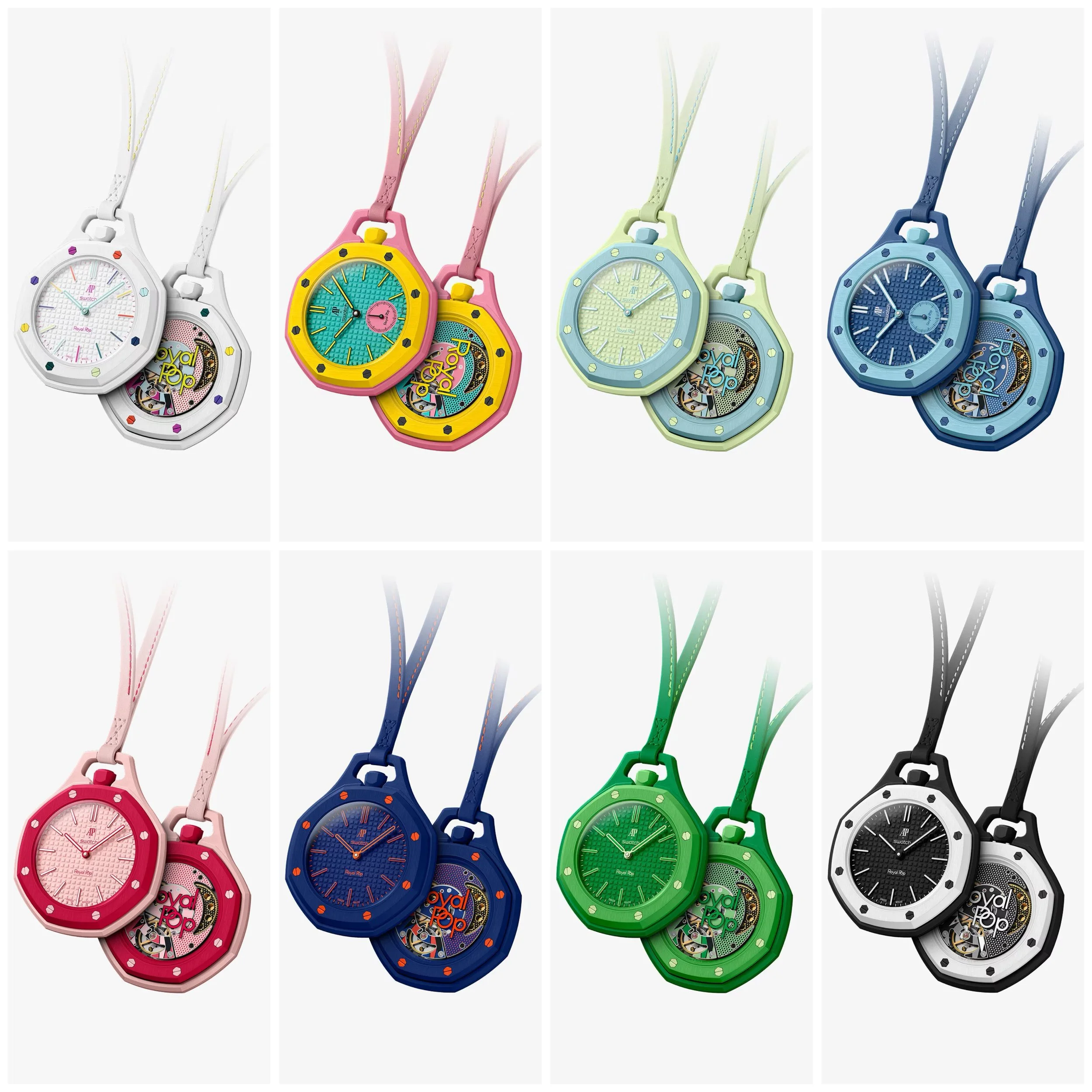
On May 16, 2026, Swatch and Audemars Piguet launched their first collaboration. Like many watch enthusiasts, I was immediately intrigued. The idea of owning a product connected to the world of Audemars Piguet for a little over €400 was undeniably appealing.
I even considered taking a trip to Paris to try my luck. I live about two hours away from the capital, and in my mind, everything was already planned: leave early, arrive before the store opened, buy the watch, and enjoy the rest of the day.
In the end, I never went.
And ever since, one question keeps coming back to me:
Was it simply laziness, or have I changed?
At the time, I told myself that I just didn't have the energy to wake up at dawn and spend part of my day standing in line.
But the more time passes, the less convincing that explanation feels.
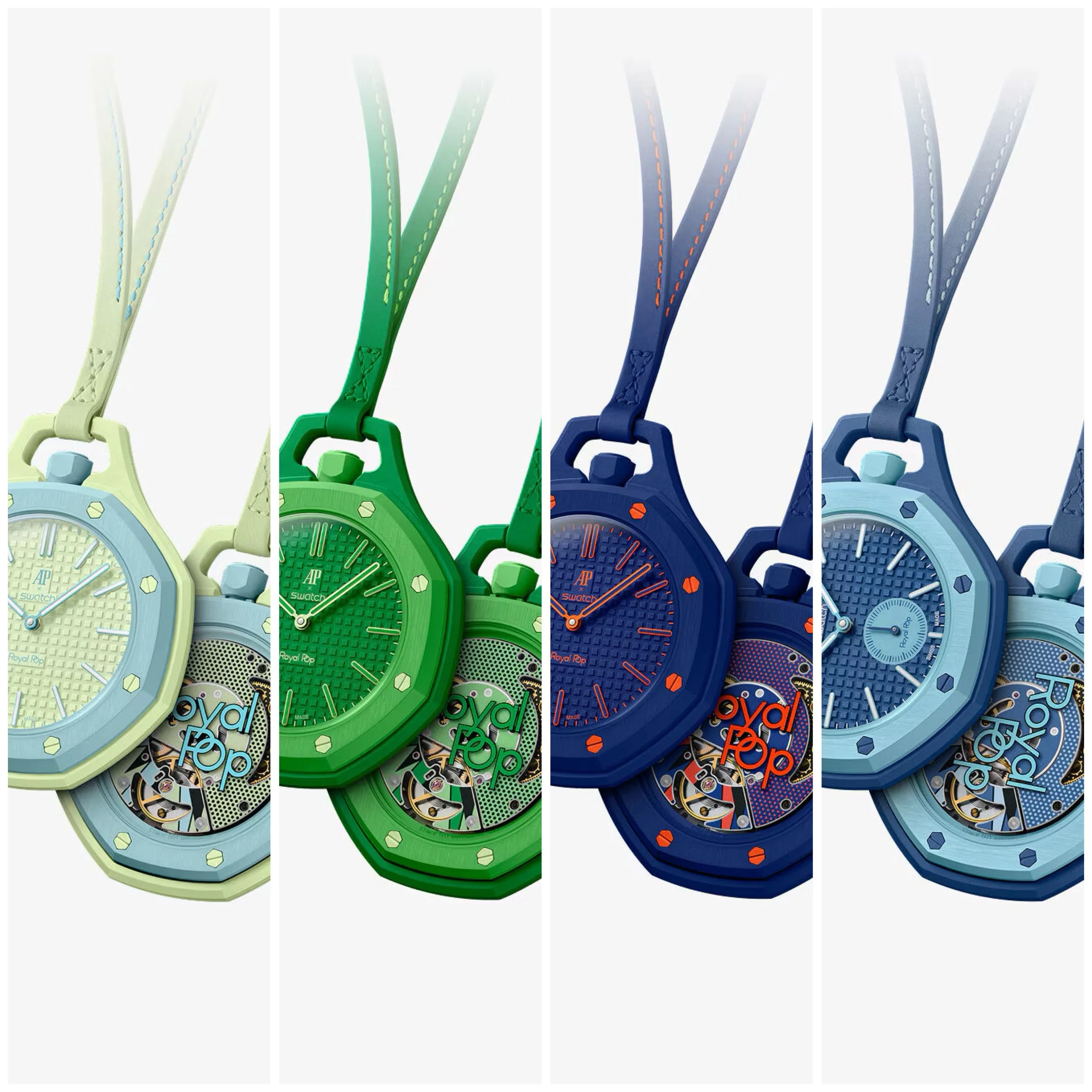
Ten years ago, I probably would have jumped on the train without hesitation. I would have accepted the wait as part of the experience. I would have seen it as the price to pay for something I really wanted.
Today, even though I genuinely like this watch, something held me back.
And perhaps that's why this story fascinates me so much.
Because, at its core, it isn't really about a watch. It's about how our relationship with objects, time, and desire changes over the years.
As I followed what was happening at various stores, I realized I had probably avoided an experience I wouldn't have enjoyed. Photos and videos showed endless lines, people who had been waiting for days, and in some cases, launches that were disrupted or canceled because of the crowds.
I also watched several videos filmed on-site. Some people openly admitted they weren't there for themselves. Their goal was simple: buy a watch and immediately resell it for a significant profit.
That's probably what bothers me the most about these kinds of launches.
I struggle to understand why it has become so difficult for enthusiasts to simply buy something they genuinely like.
Why does someone's passion always have to become someone else's business opportunity?
Of course, brands share part of the responsibility. They cultivate scarcity because they know scarcity creates desire. But consumers also play a role. Resellers exist because there are buyers willing to pay three, four, or even five times the retail price to get a product immediately.
And yet, one month after the launch, I'm still thinking about this watch.
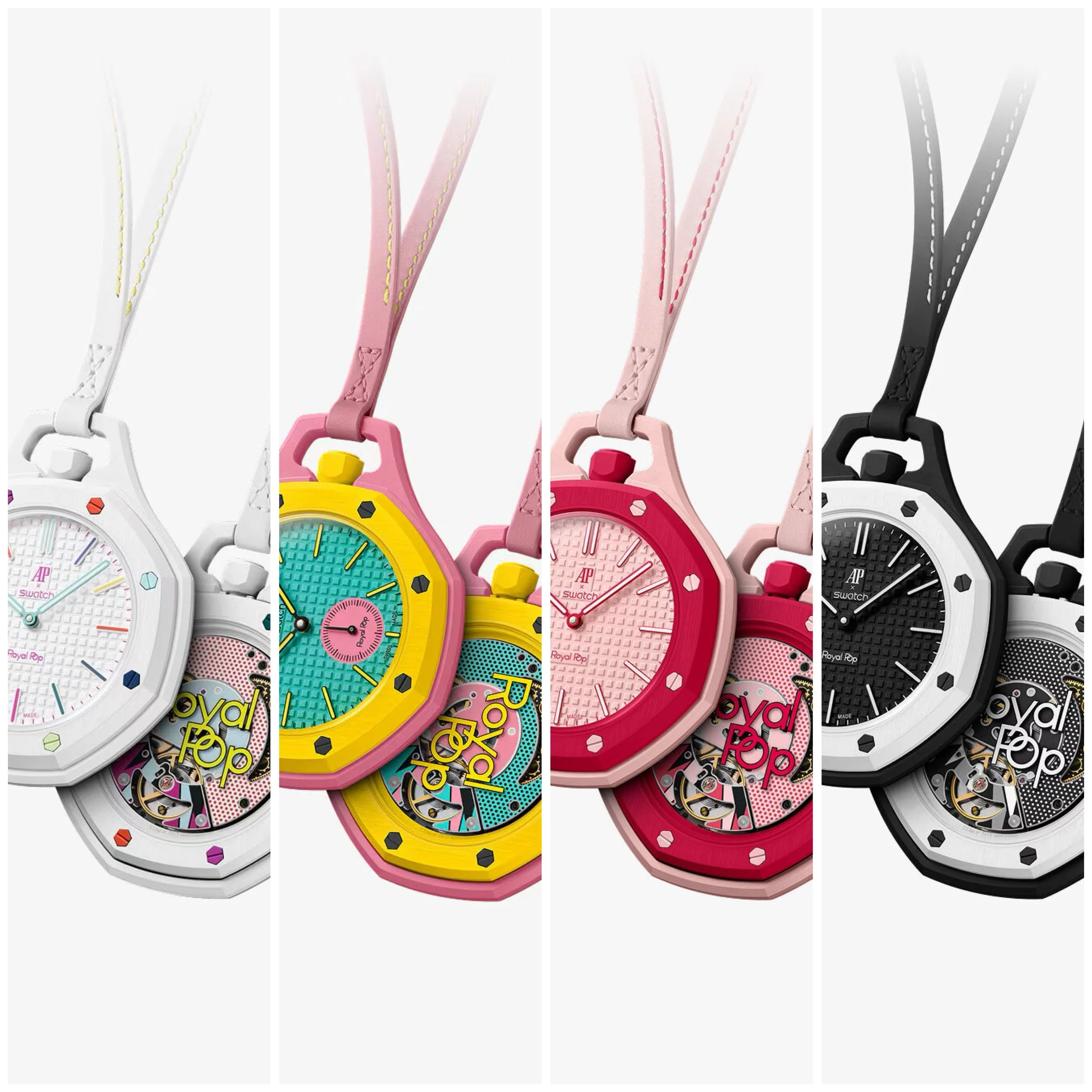
The media buzz has faded. Social media has moved on. Launch-day videos have already disappeared from the news cycle.
But my interest remains.
And that's probably what made me want to write this article.
Because ultimately, this story is less about watches than it is about desire.
What's funny is that this wasn't the first time I had found myself caught up in this kind of launch.
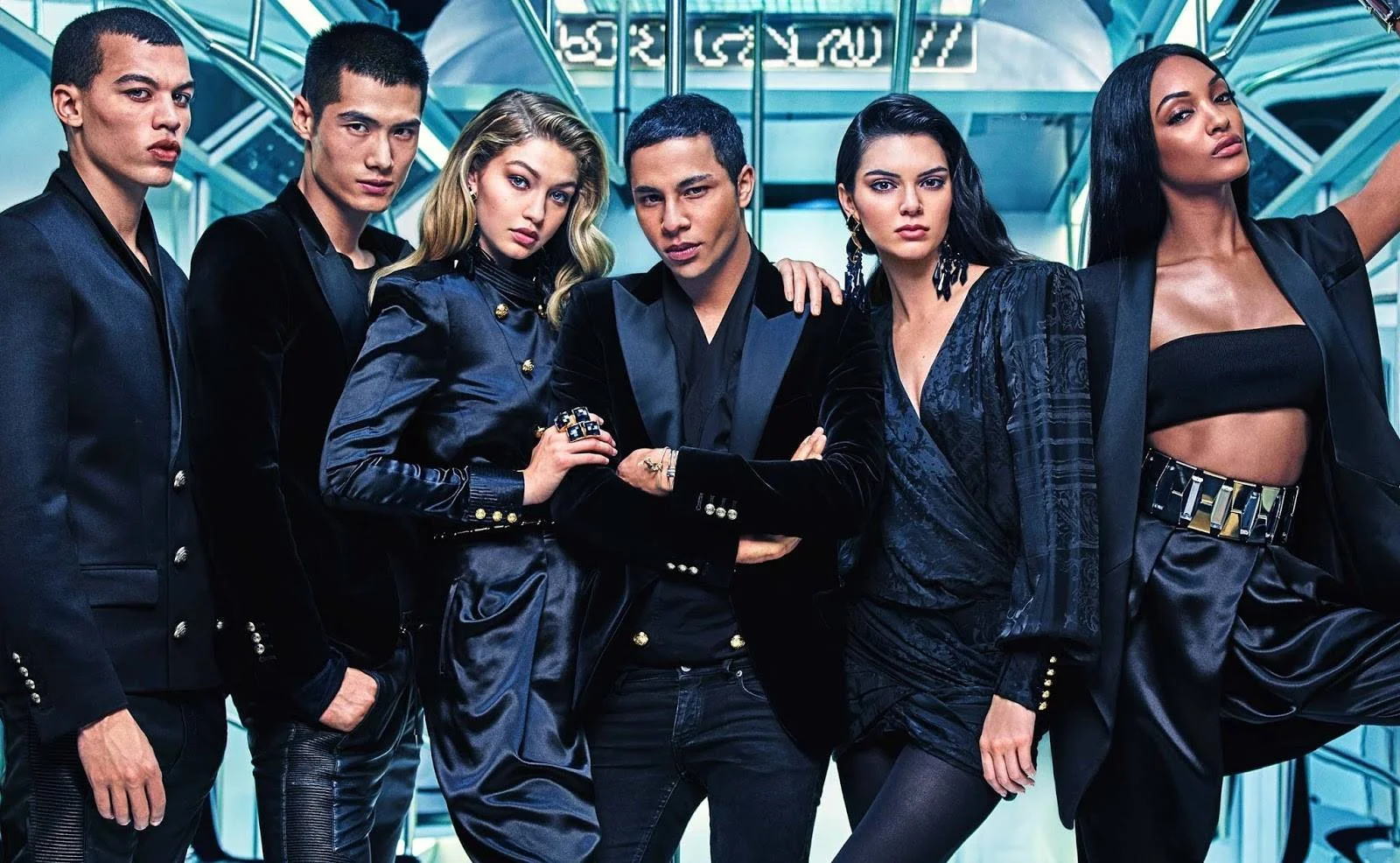
In November 2015, during the H&M x Balmain collaboration, I was a student. A friend and I spent several hours standing in line to access the collection.
At the time, Balmain was everywhere. Celebrities wore the brand, social media couldn't stop talking about it, and like many young women my age, I wanted to be part of the excitement.
Yet once I finally got into the store, reality turned out to be much less exciting than the anticipation. I tried on several pieces, but none of them really suited me. I left empty-handed.
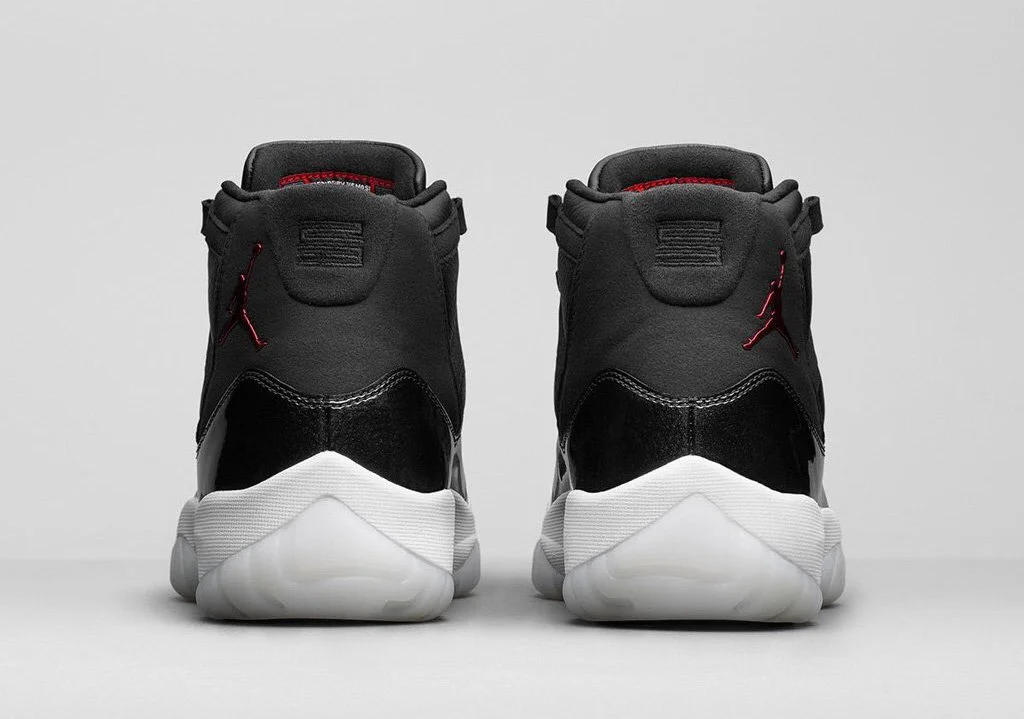
A month later, in December 2015, I found myself standing in line once again, this time for a highly anticipated pair of Jordans.
Unlike the Balmain experience, I left with exactly what I wanted.
I still remember how happy I felt that day. After hours of waiting, the satisfaction was real. I've never regretted that purchase, and I still look back on that period fondly.
But it was also around that time that I told myself:
Never again.
Two major queues within a single month, hours spent waiting just for the chance to buy something—I simply didn't want to keep doing that.
Looking back, though, I realize that wasn't entirely true.
I didn't stop queuing.
I just moved the queue.
Today, when Nike releases a highly sought-after sneaker on the SNKRS app, I can still find myself staring at my phone a few minutes before the launch. I wait for the exact release time, enter the draw, and hope to be selected.
In a way, it's still a queue.
The difference is that it has become digital.
I no longer need to travel, stand outside in the cold for hours, or dedicate an entire day just for a chance to buy something. The waiting is still there, but it's far less demanding.
I think these experiences have changed my behavior as a consumer. I'm still attracted to rare or difficult-to-get products, but I'm much less willing to sacrifice my time and energy to obtain them.
When I think back to that pair of Jordans, I don't regret the experience at all. The joy was real. But there must be a reason why, ten years later, I'm no longer willing to do the same thing.
Maybe my relationship with time has changed.
Maybe I've become more selective about where I choose to invest my energy.
Or maybe I've simply realized that no object, no matter how desirable, deserves that much importance.
I'm not entirely sure which explanation is the right one.
But I think that's precisely why I didn't go to Paris on the day of this launch.
In the days leading up to it, I had already started planning a strategy to be among the first people in line.
And then, at the last minute, something stopped me.
Was it simply fatigue?
Laziness?
Or the result of more than a decade of accumulated experiences?
I honestly don't know.
What I do know is that one month after its release, I still like this watch.
The collective excitement has disappeared.
My interest hasn't.
And perhaps that's the difference between wanting to participate in a phenomenon and genuinely wanting to own something.
If I end up buying this watch in the coming weeks, it won't be so I can say I was there on launch day.
It will simply be because, a month later, I still want to wear it.
