
Why We Keep Playing the Game, I'm Part of the Problem Too.
For years, if you liked sneakers then you have accepted the rules. Limited releases, exclusive drops, long queues, raffles, Ls on SNKRS, it's all part of the culture.
We complain, we laugh about it, we move on, and we try again next time.
But today feels different.
The game is the game.
But at some point, the game stops being fun.
And yes, Nike, I'm talking to you.
Before anyone jumps in to defend a multi-billion-dollar corporation, hear me out.
I've been a Nike aficionada for almost two decades. Through the highs and lows, through the iconic releases and the questionable ones, I've stayed loyal. But I don't remember the last time I felt this frustrated as a customer.
What makes this even more frustrating is the context.
Over the last few years, many consumers have questioned Nike's ability to surprise them. The criticism isn't new. Too often, releases feel repetitive. The same silhouettes. Similar colorways. The same formulas recycled over and over again.
Meanwhile, other brands have become increasingly creative, whether through design, storytelling, collaborations, or simply by taking risks.
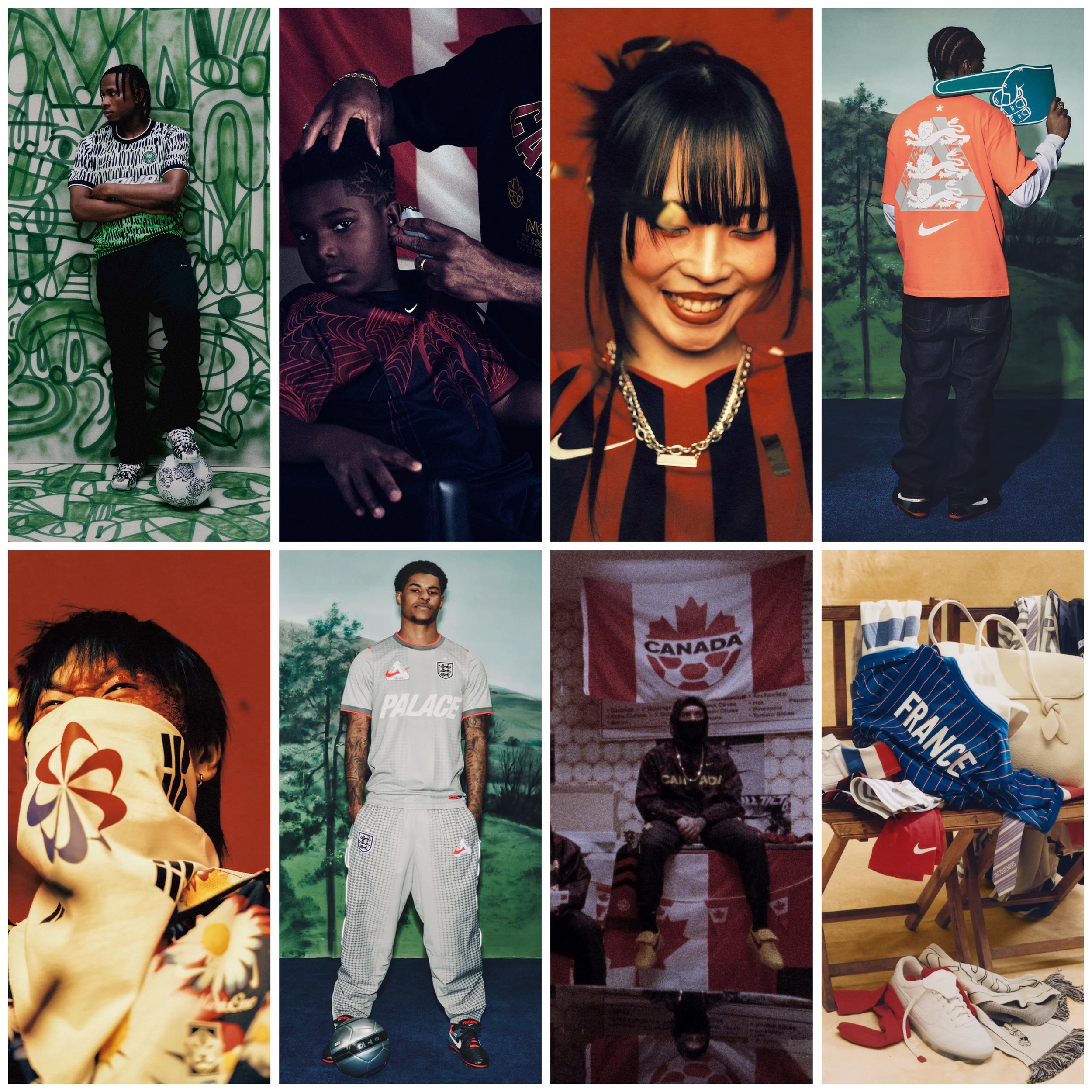
That's why this World Cup collection felt different.
For once, it felt like Nike had recaptured something special.
From 9 a.m. to 3 p.m., the new collab X2 collection drops every hour. England. The Netherlands. France. Nigeria. South Korea. Canada. And finally, the United States.
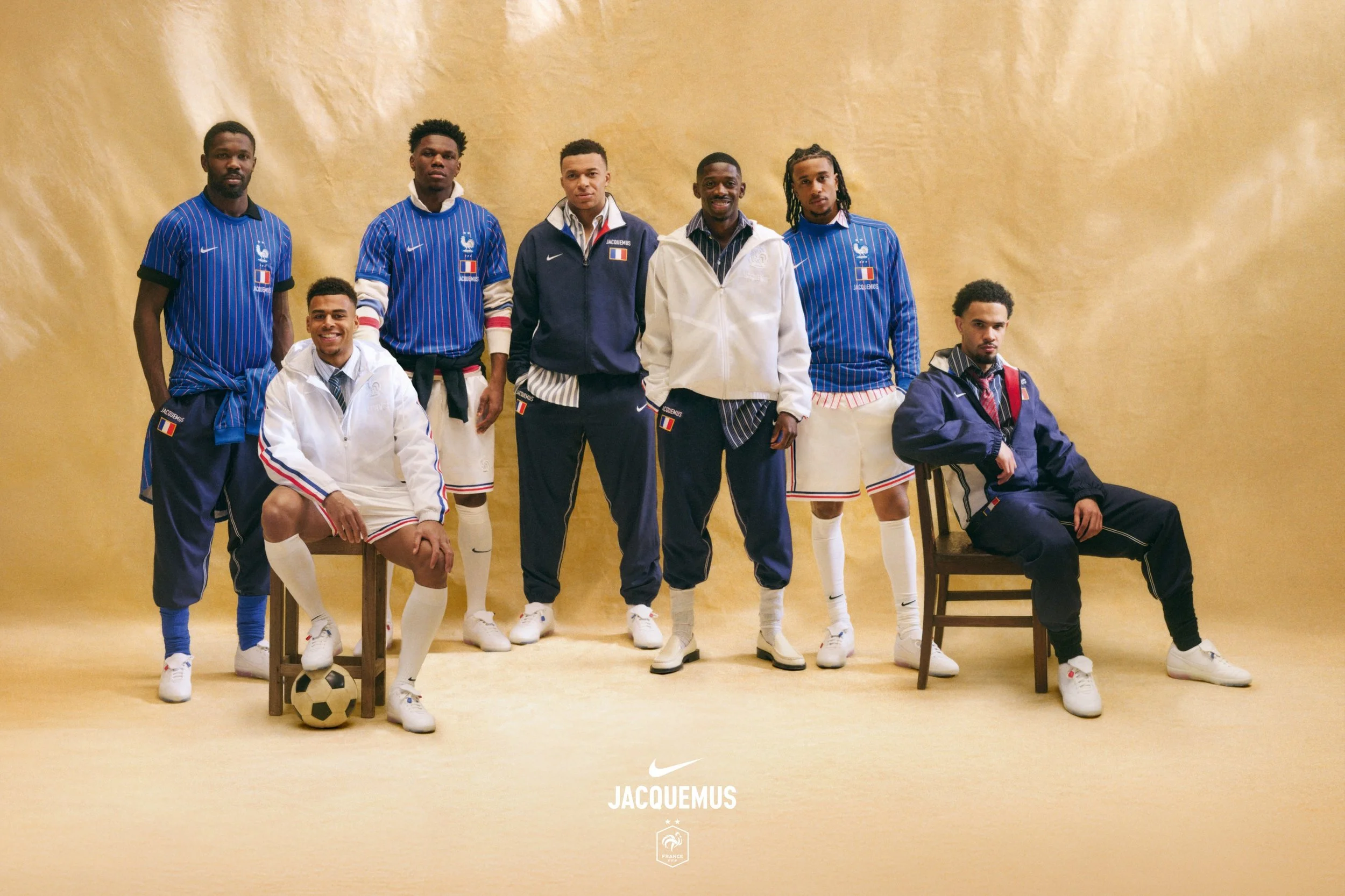
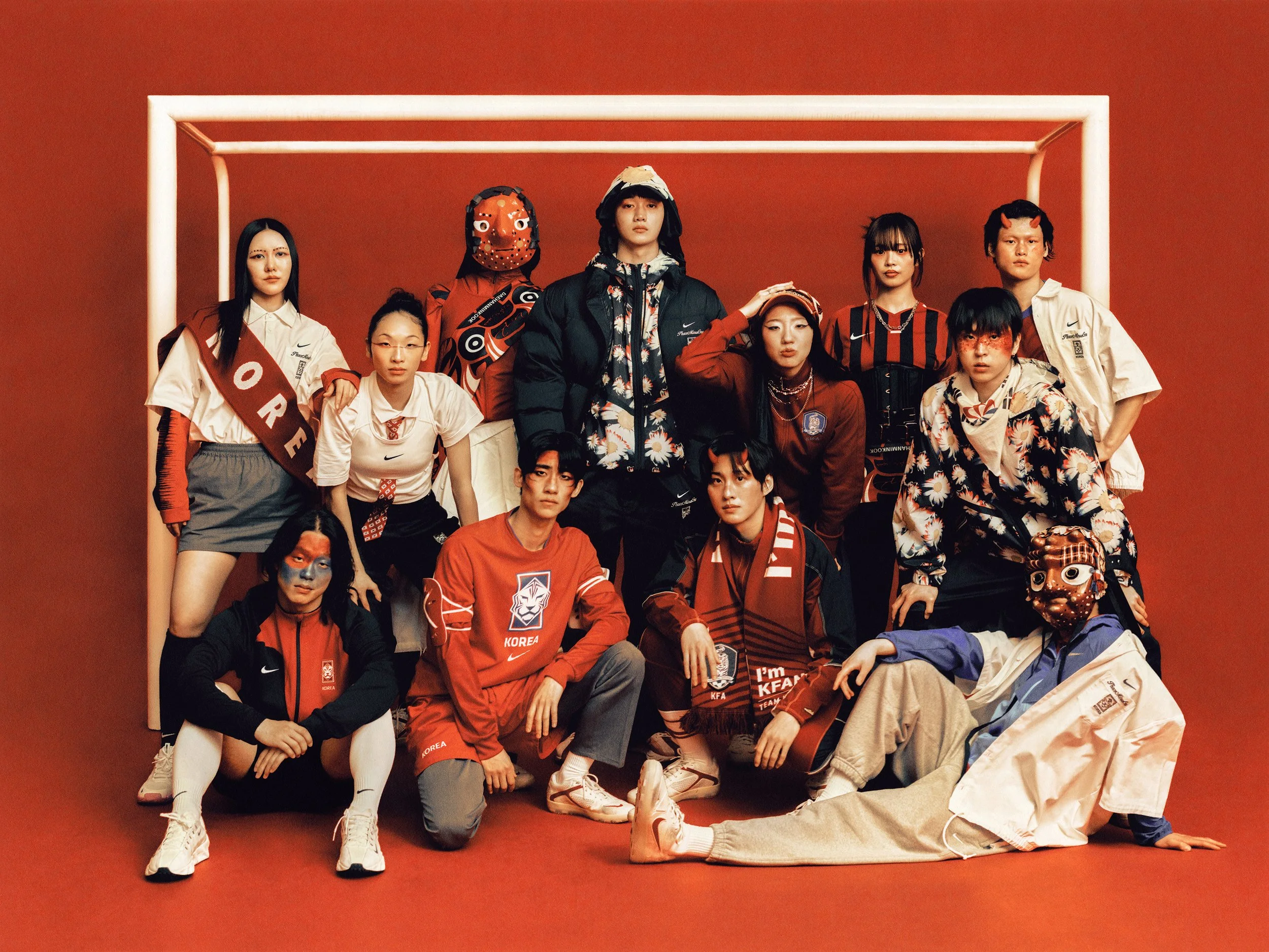
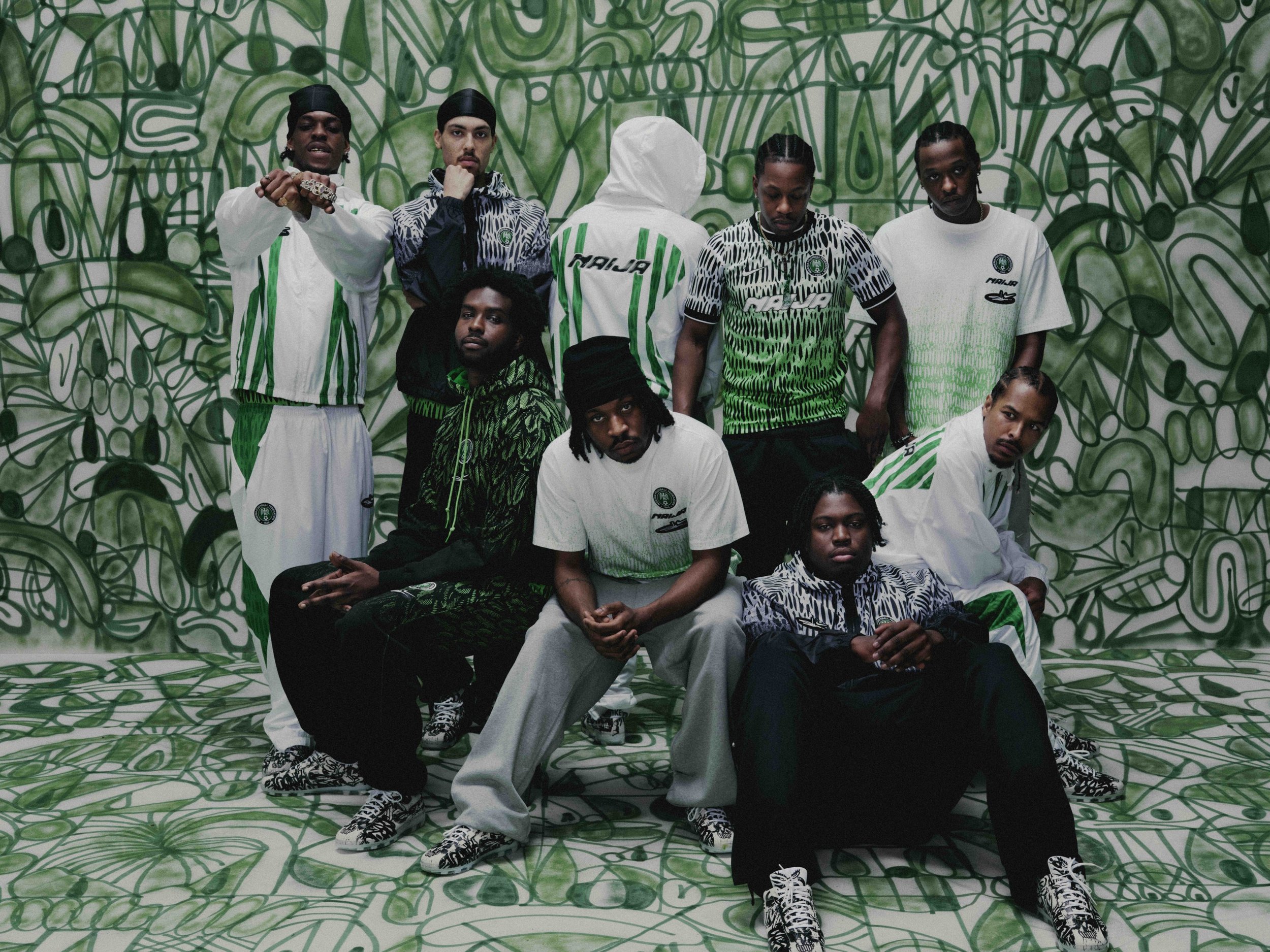
The concept is brilliant.
A celebration of football culture across different nations, each with its own identity, story, and aesthetic. The kind of collection that should bring fans together and allow them to participate in a global moment.
The collaborations made sense. The storytelling was strong. The connection to football culture felt authentic. It was the kind of release that reminded people why they fell in love with the brand in the first place.
And maybe that's exactly why today's experience hurts so much.
Because when Nike spends months releasing products that struggle to generate excitement, then finally delivers a collection that genuinely resonates with fans, only for many people to be met with website crashes, refreshing pages, sold-out pages, and watching products disappear before they ever had a realistic chance to buy them, the disappointment feels even greater.
Like millions of people around the world, I wanted to buy something from this collection. I loved the designs. I was excited. I was ready.
Then came the drop.
And, as always, one of three things happened:
The product sold out within two or three minutes.
The website crashed because it wasn't prepared for the traffic.
The product was somehow already sold out the moment it became available.
At this point, it's hard not to wonder whether regular consumers ever had a real chance.
What's even more frustrating is that this conversation isn't new.
For years, consumers have complained about bots, resellers, and websites that cannot handle launch traffic. Every major release seems to come with the same issues, and every year we're told that systems are improving.
Yet those issues only scratch the surface.
Anyone who has spent enough time in sneaker culture knows that there are entire conversations around plugs, backdoors, early access, and unofficial networks that further fuel the perception that not everyone is playing by the same rules.
Whether those conversations are always accurate is almost beside the point. The fact that so many consumers believe the game is unfair tells us something important about the level of trust that currently exists between brands and their communities.
Yet here we are again.
The irony is that the frustration isn't simply about not getting the product.
It's about feeling excluded from something that was supposedly made for fans.
When Nike launches a World Cup collection, they're selling more than clothing or footwear. They're selling emotion. They're selling belonging. They're selling the dream of being part of a moment.
And then millions of people are told: "Sorry, sold out."
Of course, brands aren't entirely responsible.


Consumers have played a role in creating this ecosystem.
We've normalized hype culture. We've turned product launches into competitions. We buy things because they're rare, not because we necessarily need them. We celebrate exclusivity because scarcity creates status.
And then there's the resale market.
Too many products are purchased not by people who genuinely want them, but by people who see them as investments. Within minutes of a drop, items appear online for two, three, sometimes ten times the retail price.
The result is a vicious cycle.
Brands create scarcity to generate hype.
Consumers develop FOMO.
Resellers exploit that fear.
And genuine fans get caught in the middle.
Maybe that's why this feels so frustrating.
It's not just disappointment.
It's the feeling that the system no longer rewards passion.
You can follow the brand for twenty years.
You can support every release.
You can show up on time.
And still have virtually no chance of getting the product.
Some people will probably call me selfish.
After all, I already own Nike shoes. I've been lucky to buy some of the products I wanted over the years. Compared to many others, I maybe have very little to complain about.
And maybe that's true.
But I've never understood the idea that loving something means you should never criticize it.
In fact, I think the opposite is true.
When you genuinely care about a brand, a sport, a community, or a culture, you should be able to point out what isn't working. Criticism isn't always hatred. Sometimes it's disappointment. Sometimes it's frustration. Sometimes it's simply wanting something you care about to do better.
Too often, people treat brands like football clubs or political parties as if every decision must be defended no matter what.
It's time to move beyond that.
Being a fan doesn't mean becoming a spokesperson.
Being loyal doesn't mean staying silent.
And owning Nike products doesn't mean I have to applaud every decision Nike makes.
I can appreciate what the brand has built over decades while still questioning practices that leave genuine consumers frustrated and excluded.
Those two things can coexist.
In fact, they should.
The game is the game.
But if fans start feeling like the game is rigged, eventually they stop wanting to play.
